Duni
An 8-week capstone design project where I created a mobile app addressing challenges newcomers face when adjusting to life and finding work in Canada.
01.The Context
Duni was an 8-week UX design project developed in response to a problem I noticed during user interviews for a separate assignment. Several interviewees indirectly expressed frustration about adjusting to life in Canada — particularly around finding employment and understanding unfamiliar systems.
02.Understanding the Problem
First I needed to understand the problem, so I did a combination of online research and in-person interviews.
Online
52 %
According to the 2018 Street Needs Assessment, 52% of homeless people in Canada were immigrant, refugee/asylum claimants, or temporary residents.
10 years
It takes about 10 years for most landed immigrants to find work, according to the Immigrant Labour Force statistics.
In Person Interviews
- Unemployed immigrants sustain themselves by savings and funds from close friends and family.
- Employers rarely hire someone with no Canadian experience.
- Immigrants tend to open up to other immigrants.
- Immigrants found their first job from people they know.
The Problem
Landed immigrants take too long to form a social network and hence, struggle to find work and integrate into Canadian society.
Design Challenge
How might we help landed immigrants form a social network early in order to integrate into Canadian society?
03.Finding a Solution
Based on that information I went about trying to find the solution.

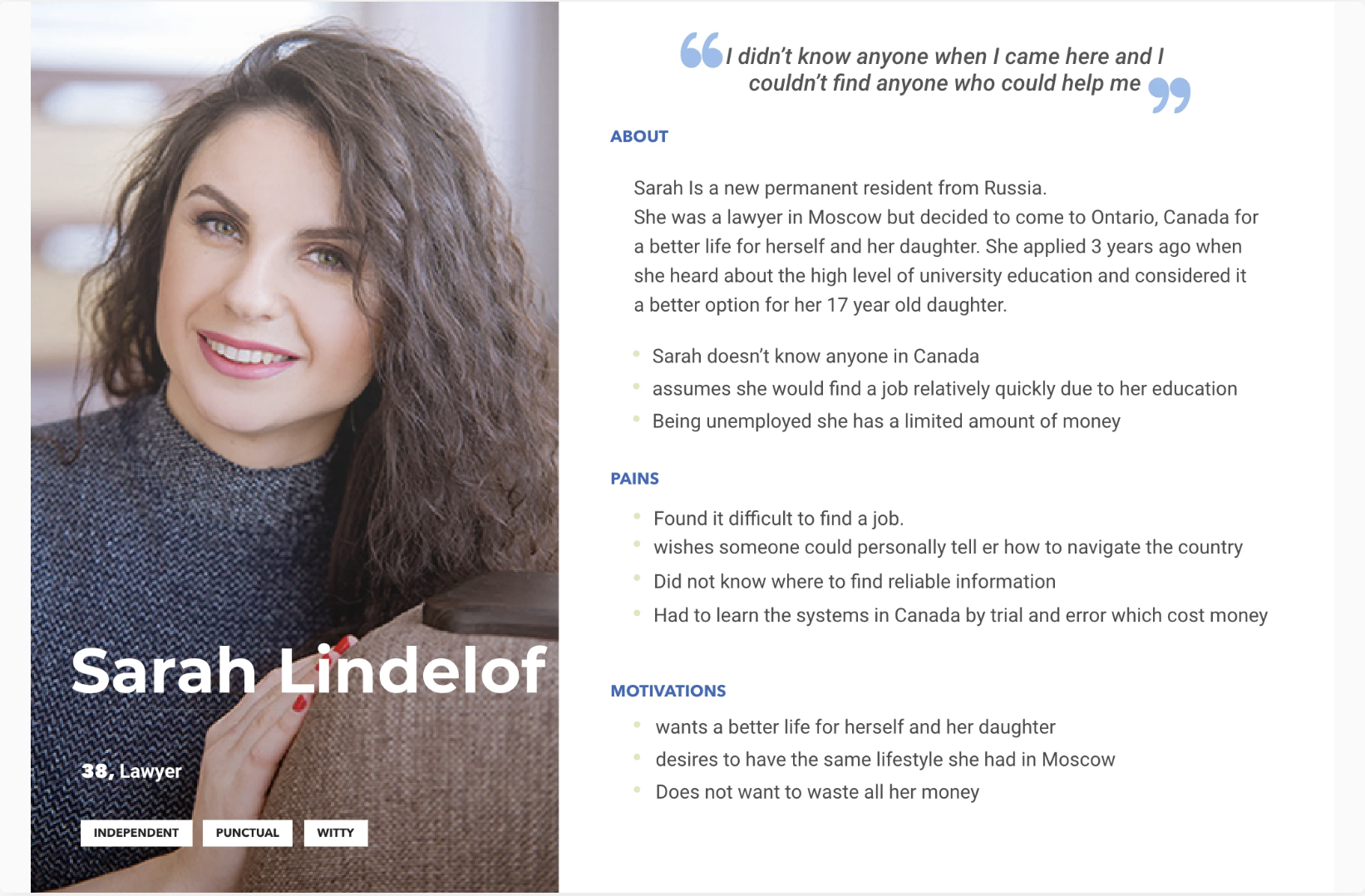
I distilled my insights from my in-person interviews into a visual representation of my target audience. This helped me empathize with their motivations, behaviours, and challenges.

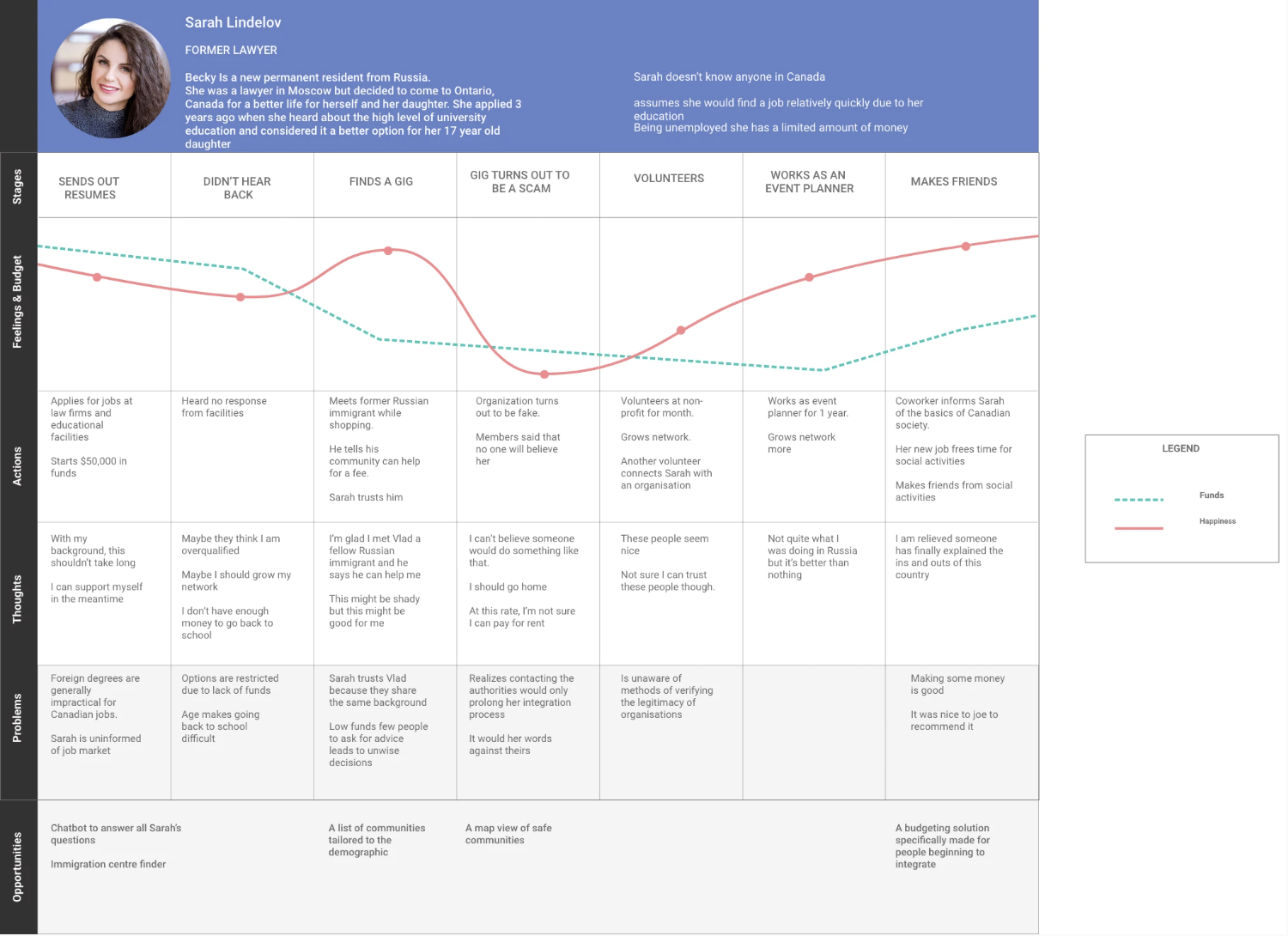
I then mapped Sarah’s journey in order to see exactly where the problems lie, and potential areas or opportunities to intervene and alleviate pain points.
Areas to intervene seem to center around Sarah meeting the right people.
04.Ideation
Assumptions
- Users would only want to access locations based on their country of origin.
- The prototype would contain ratings, and that would be an effective system for gauging the reliability of a location. This is similar to Yelp or other platforms that use a 5-star rating system.
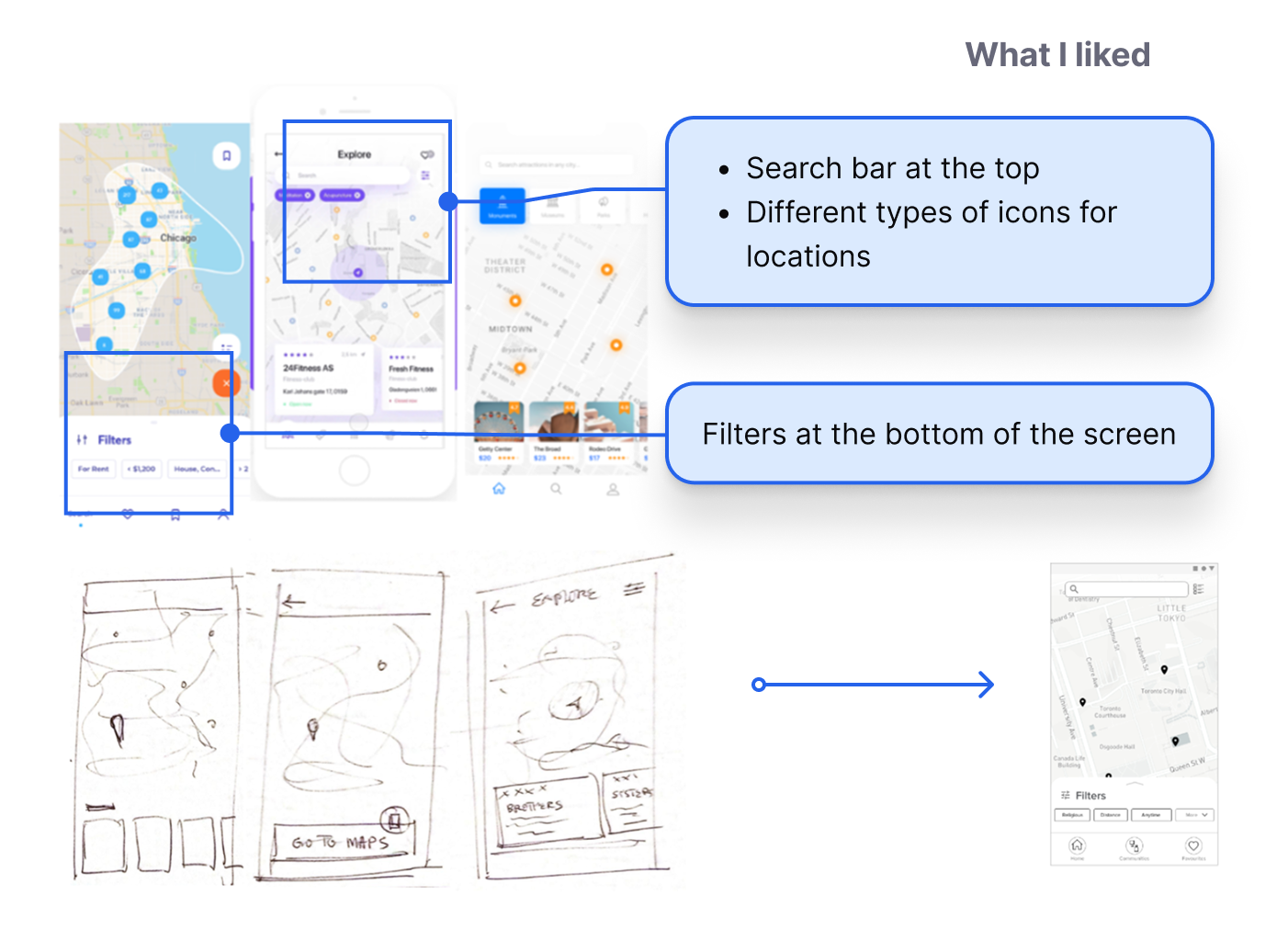
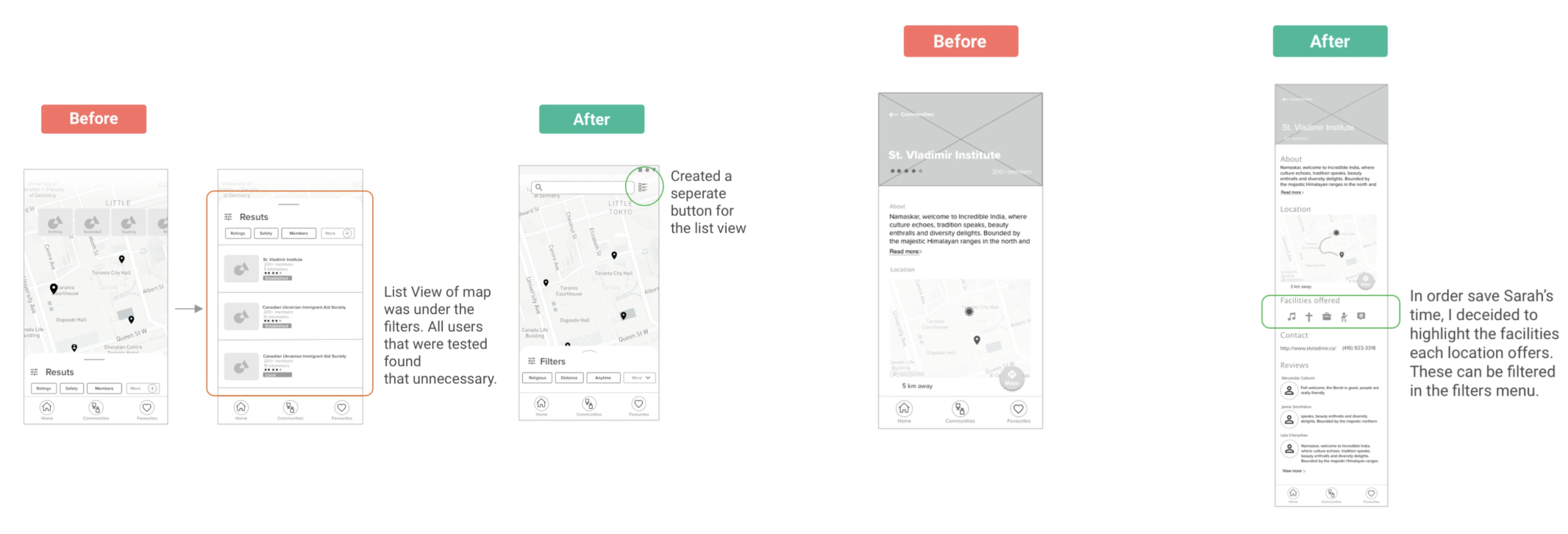
- There should be a map view and a list view, similar to other location apps like Google Maps, Dorsia and Craigslist.
- The prototype would only contain two categories: Local and Established.
Sketches
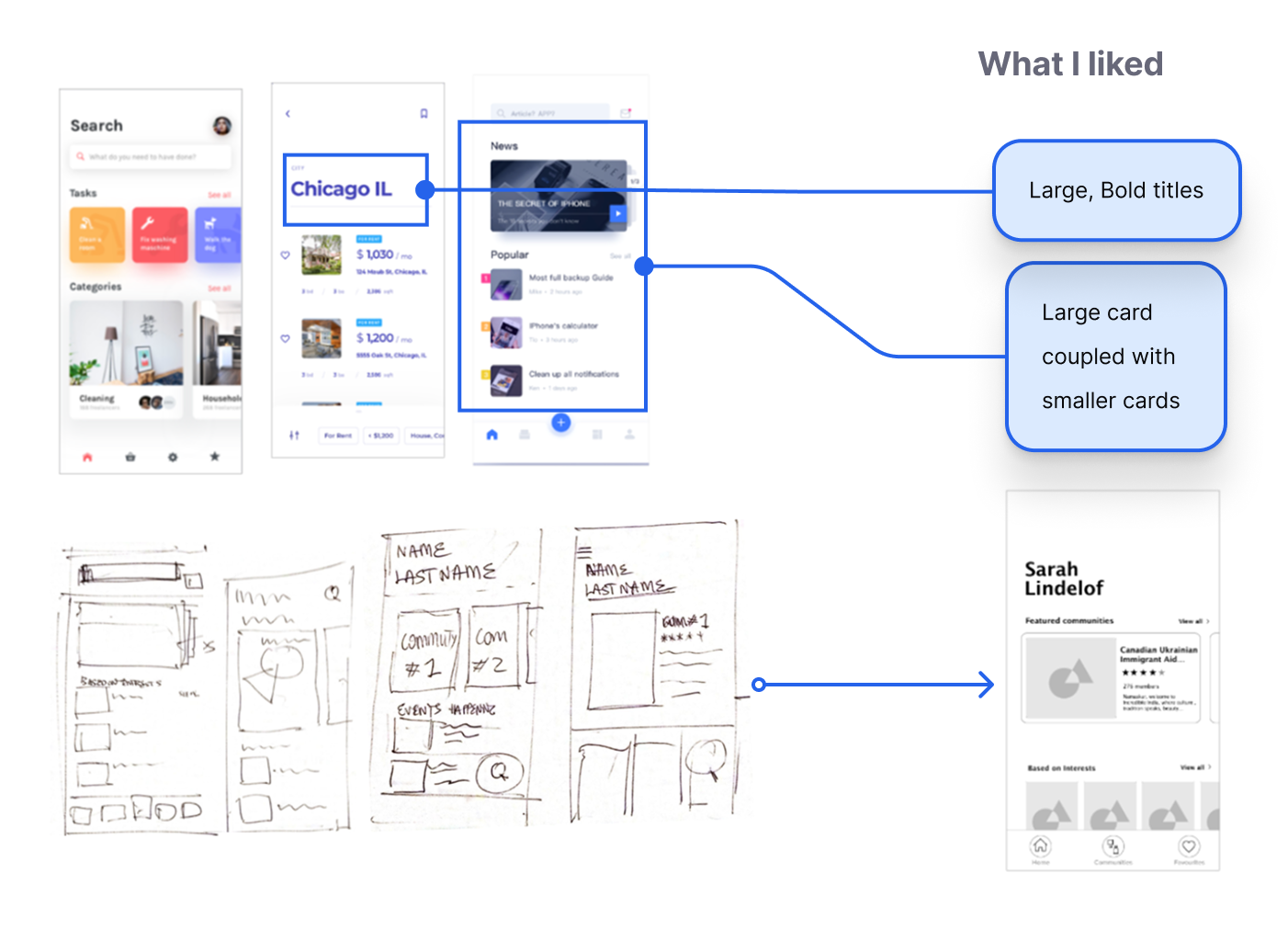
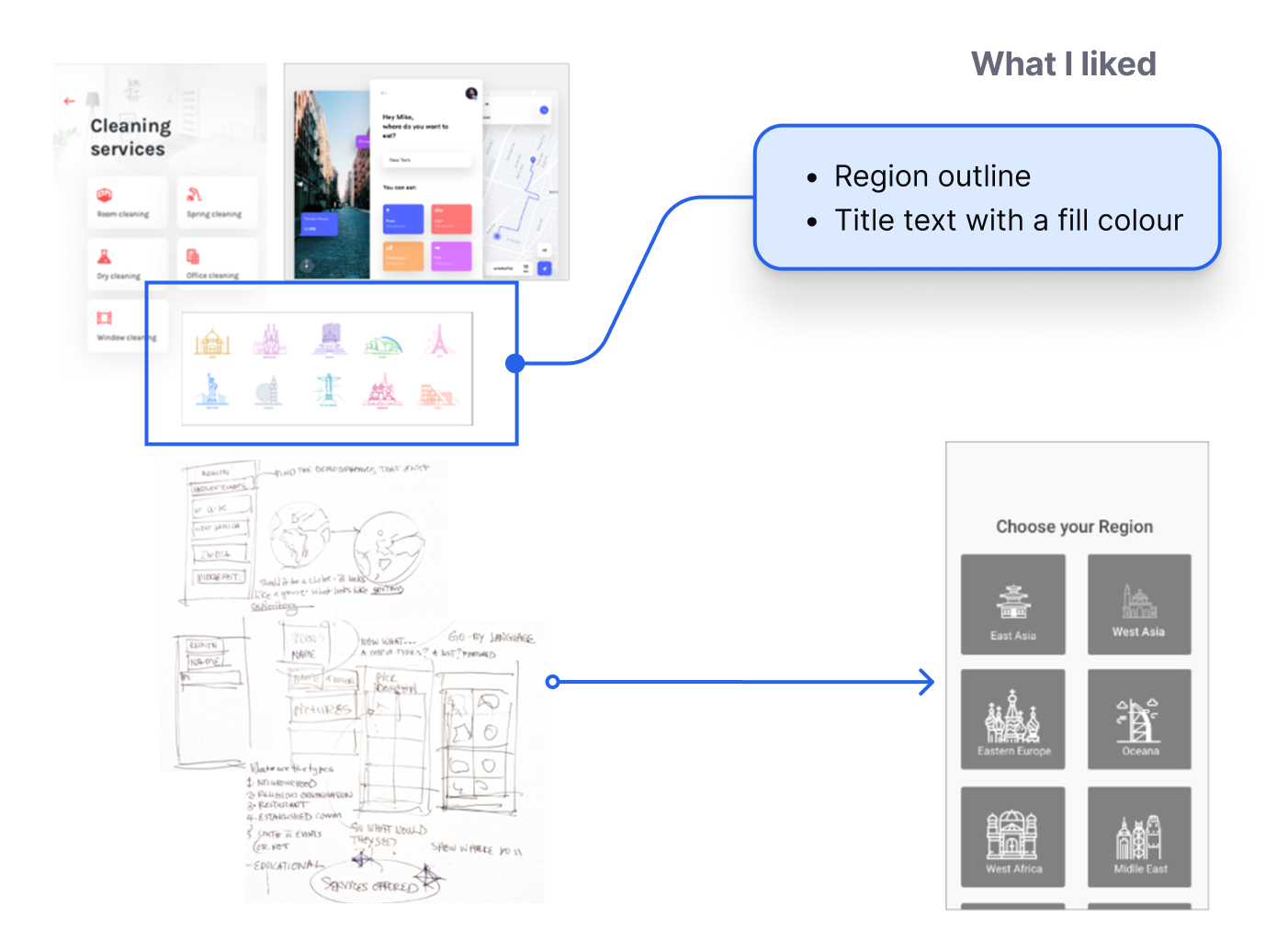
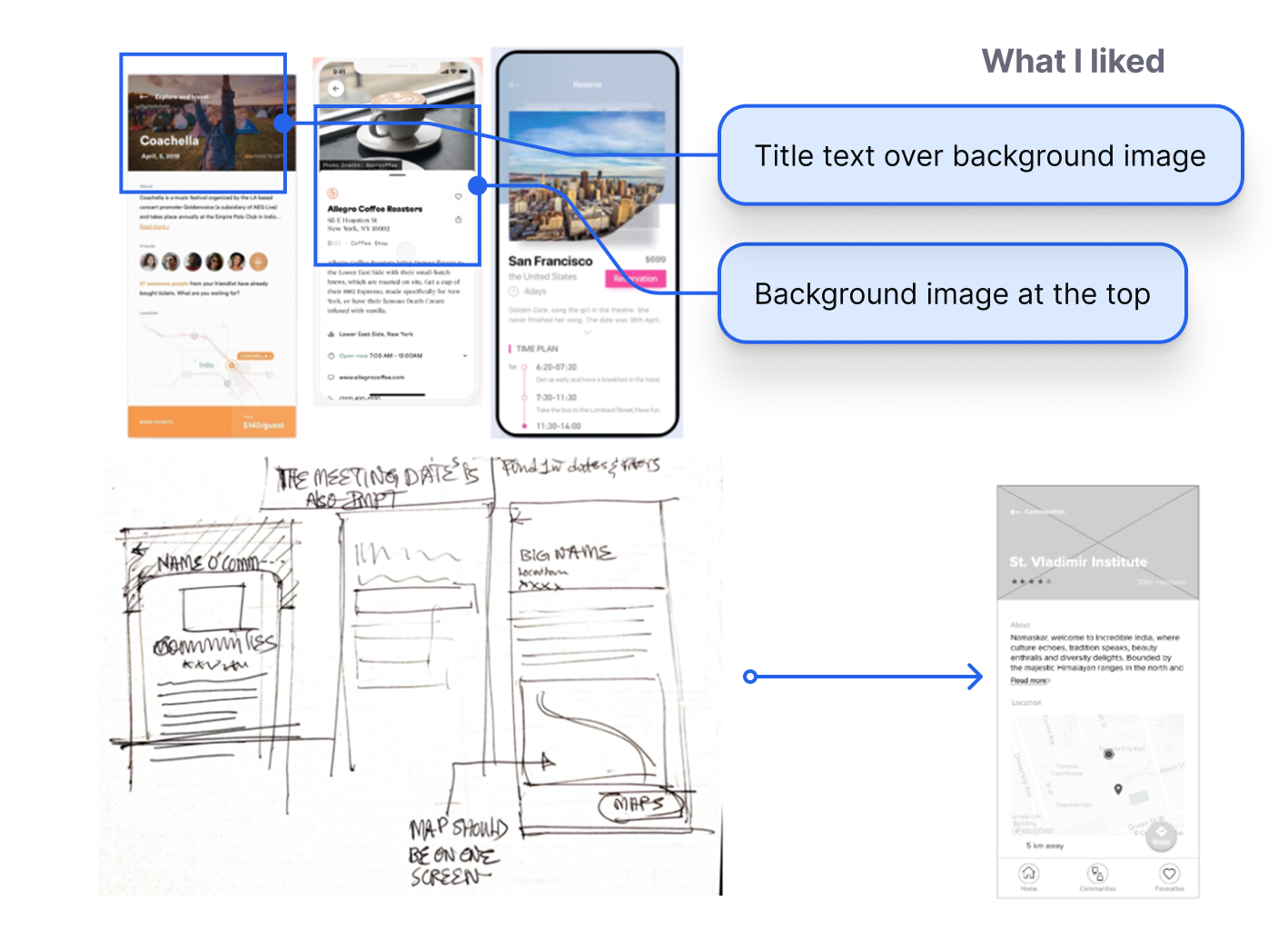
The inspiration for these sketches was based on UI patterns from location & social media apps.

05.Sketches to Wireframes
06.Testing
07.Selected Screens
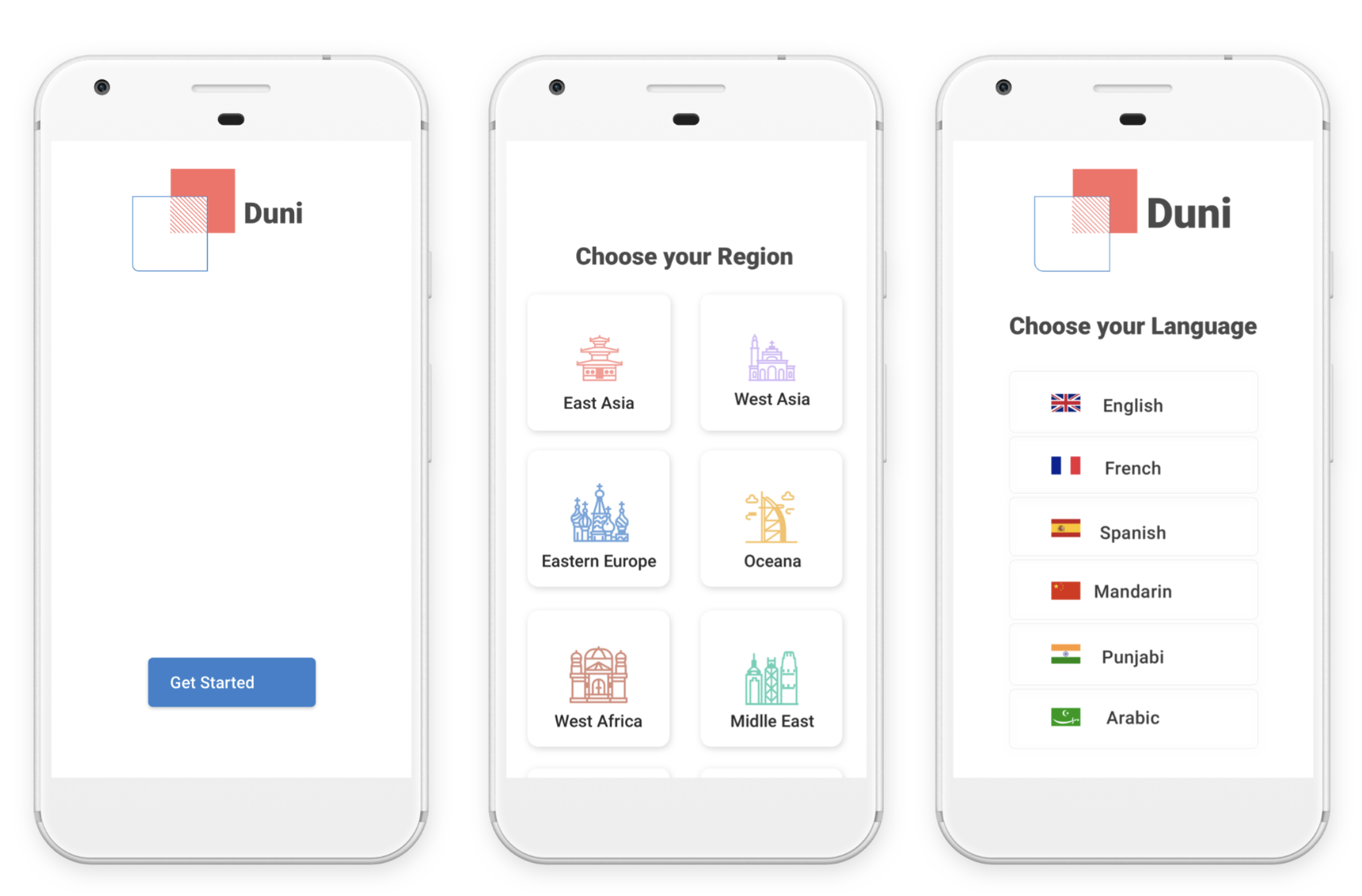
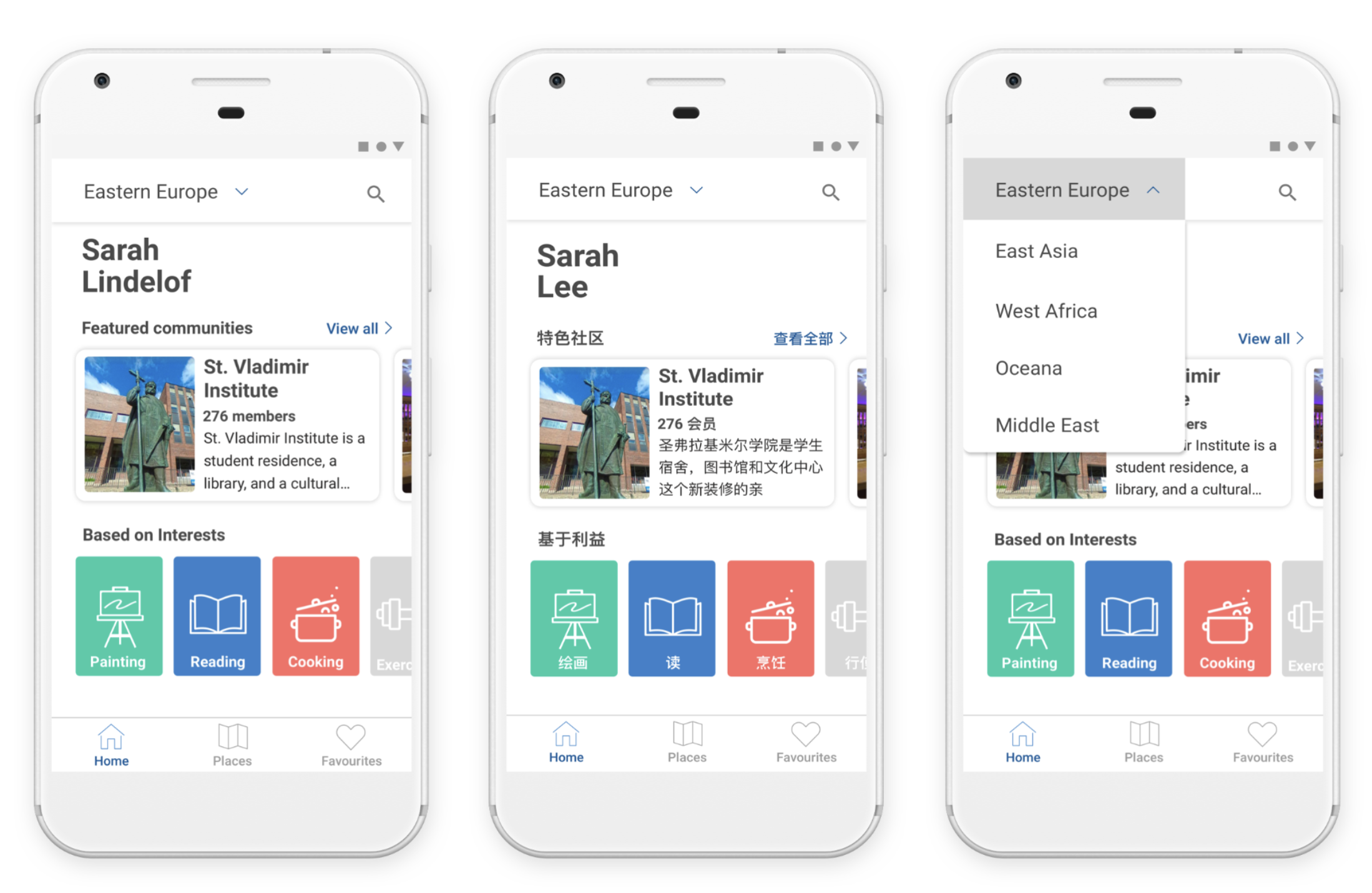
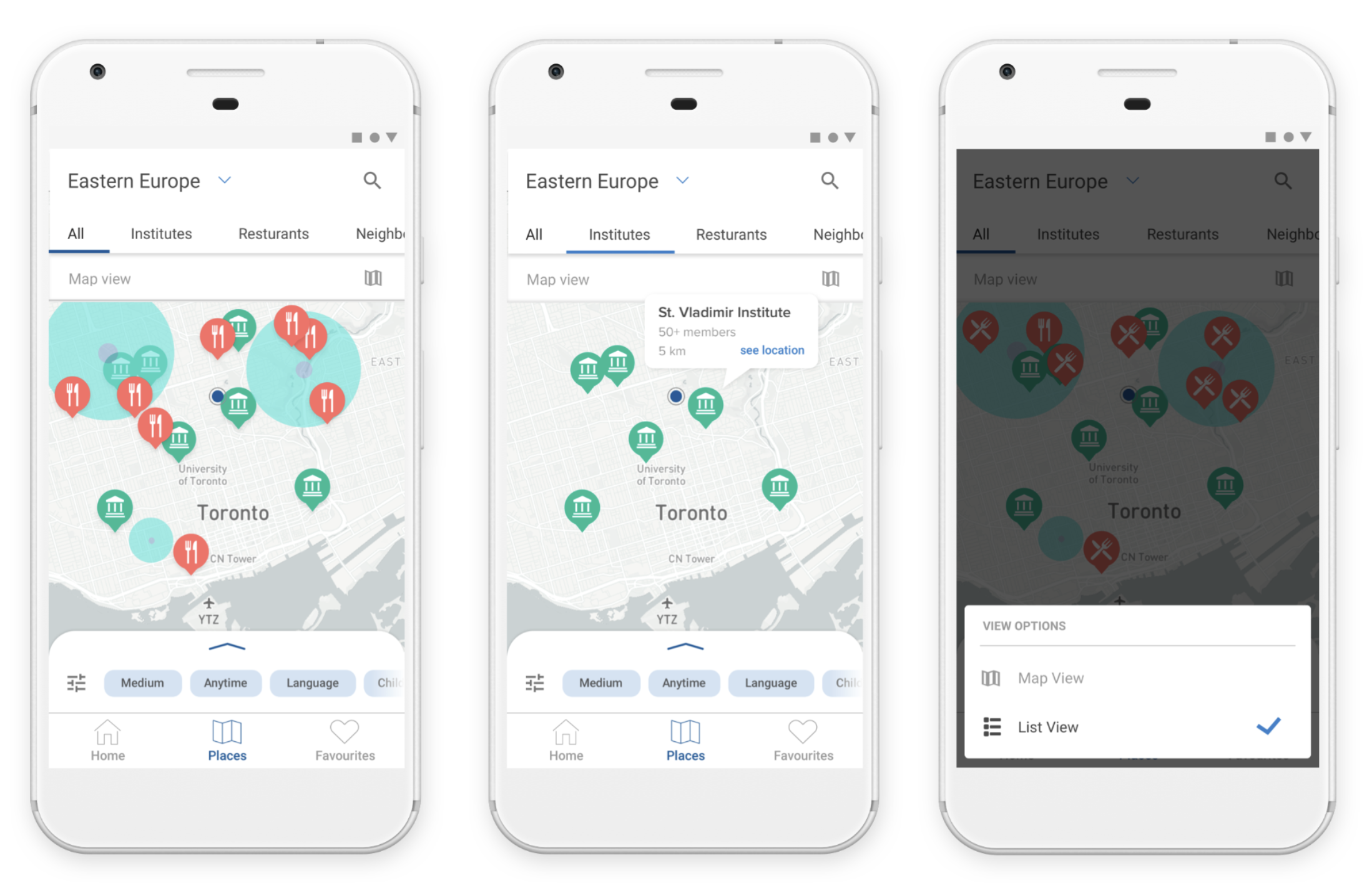
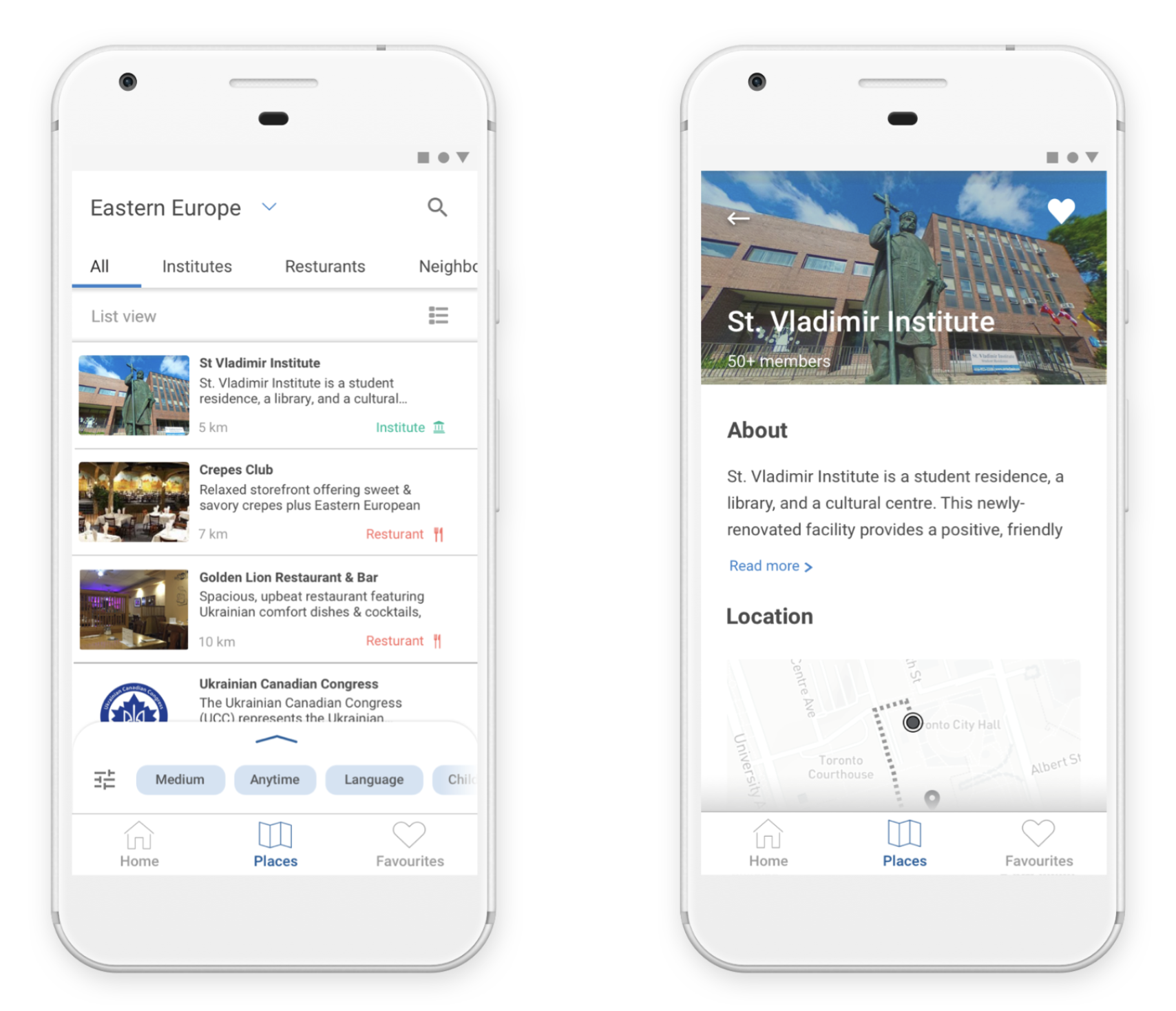
08.Reflection
Results
One of Sarah’s motivations for coming to Canada was to find a better life for herself and family.
On arriving she faced the difficulty of integrating due to not finding a job and being dependent on unreliable information.
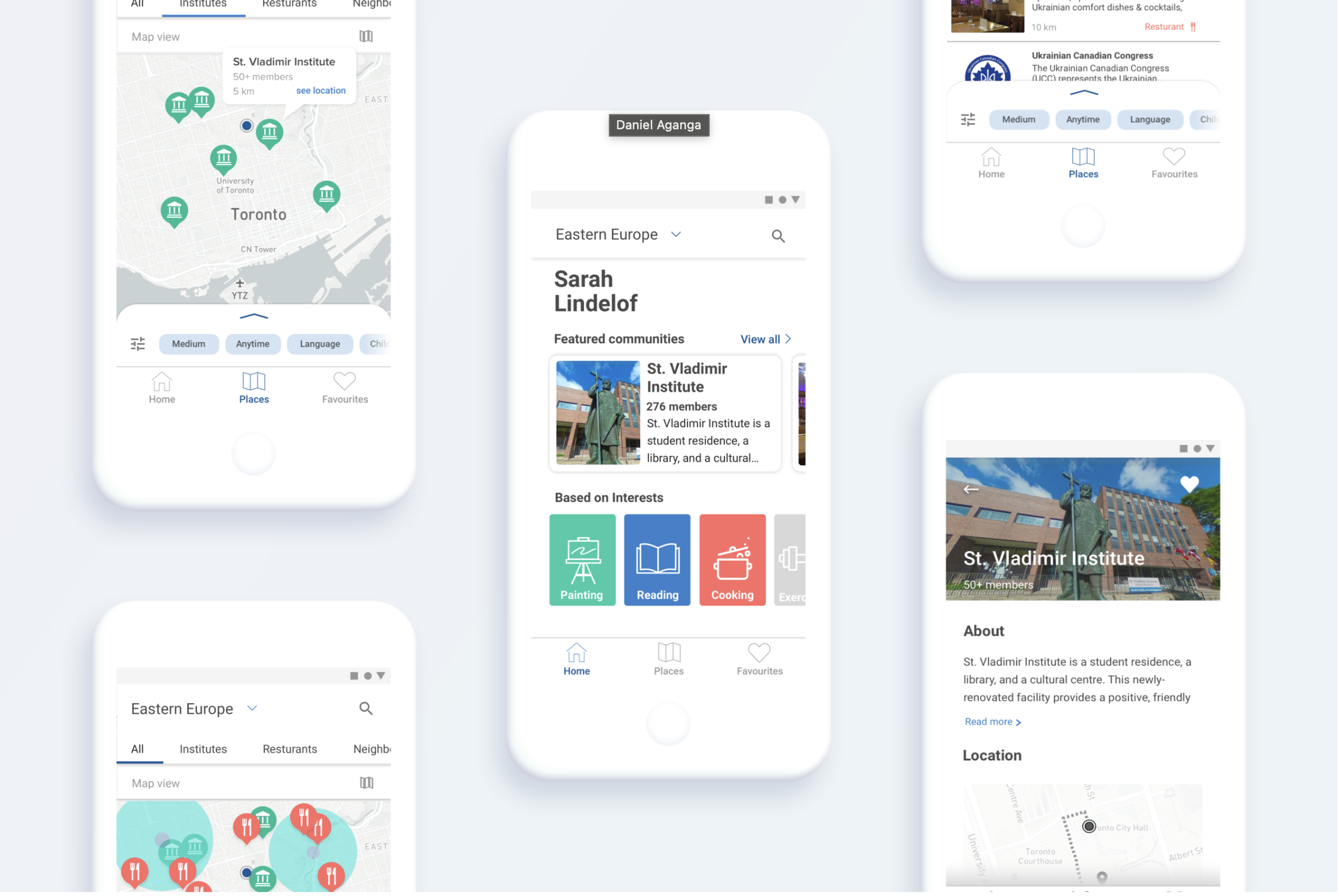
- Duni’s demographic-based communities ensure that Sarah finds fellow newcomers from her home country who can help her.
- Top user reviews inform Sarah of which institutions are the safest.
- Filtering options ensure that Sarah finds the options that suit her needs best.
- Highlighting established institutions provides Sarah with a list of locations to find reliable information.